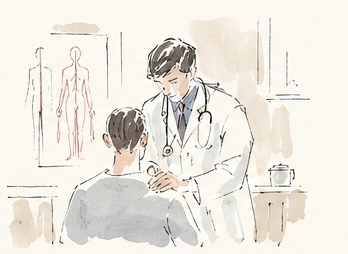
Workplace injury care should feel personal from the first visit through follow-up. Our physicians take time to understand the employee, explain the findings, and guide the next steps. Employer partners have direct Medical Director access when the medical plan needs discussion.
Personalized Injury Care. A Clear Plan for Recovery.
We pair the attentiveness of a concierge practice with active oversight of workplace injury care. Our goal is meaningful recovery with fewer avoidable delays, unnecessary services, and preventable days away from work. Every recommendation remains grounded in the employee’s medical needs.
Direct Physician Access
Dr. Glen Apramian and Dr. Austin Apramian are accessible to employer partners for clinical questions and complex case discussions. You know the Medical Directors by name and have a clear route to a physician when an explanation or closer review is needed.
Return-to-Work Management
Starting at the first visit, we compare the employee’s abilities with the demands of the job. When modified duty is appropriate, we give employers specific work restrictions and a reassessment date. At follow-up, we address treatment delays and ease restrictions as recovery allows, so employees can return to regular duties safely and avoid unnecessary time away from work.
Holistic Care
We ask how the injury affects the employee’s sleep, daily activities, and ability to do specific tasks at work. We consider those answers alongside exam findings, prior injuries, and the demands of the job to set practical treatment goals and address barriers to recovery.
A Shared Understanding of Recovery
We give employees time to explain their concerns and ask questions. Findings, treatment goals, and next steps are discussed in plain language, with follow-up informed by the history and progress already documented.
Evidence-Based, Individualized Treatment
Treatment recommendations are guided by California’s Medical Treatment Utilization Schedule (MTUS), including its adopted ACOEM guidelines. Clinical findings, functional needs, and response to care inform the plan, with additional evidence considered when appropriate under the MTUS framework.
Timely Care. Deliberate Follow-Through.
We prioritize timely injury visits and clinically appropriate follow-up, comparing actual progress with the expected course of recovery. When improvement slows, we reassess the diagnosis, treatment response, and barriers to care so the next step has a clear purpose.
Coordinated Approvals & Documentation
Our team coordinates treatment requests, supporting medical documentation, and applicable authorization and billing requirements with the claims team. Clear clinical reasoning and attention to outstanding requests are part of our effort to limit avoidable administrative delays.
Continuity Across the Care Team
A specialist referral is part of a connected care plan. We review available findings and recommendations, clarify outstanding steps, and help coordinate discussion among treating clinicians and authorized contacts when questions remain.
Addressing Concerns Before They Become Disputes.
Employees should feel heard, employers should understand the medical plan, and everyone coordinating care should know the next step. We address unanswered questions, explain changes in treatment, and clarify concerns early. This is our approach to limiting avoidable misunderstandings and keeping the focus on recovery.
From minor injuries to more involved evaluations, we select services around the clinical findings and the care each employee needs.
Initial Injury Assessment
A focused history and examination connect the reported incident with the employee’s symptoms, relevant medical history, and job duties. We assess immediate care needs, explain the initial findings, and determine whether outpatient treatment or a higher level of care is appropriate.
Musculoskeletal Care
Assessment and outpatient treatment of strains, sprains, soft-tissue injuries, and other musculoskeletal concerns. We evaluate pain, movement, and functional limitations, then review the response to care as healing progresses.
First Aid & Minor Injuries
Careful evaluation of minor wounds and other injuries suitable for the clinic. Treatment may include wound care, appropriate minor procedures, and practical care instructions, with reassessment when healing needs closer attention.
Diagnostic Support
On-site digital X-ray and other testing selected to answer specific clinical questions. When findings warrant further investigation, we arrange advanced imaging or additional evaluation and explain how the results inform treatment.
Treatment Planning
A clear plan may include appropriate medication, home-care guidance, and recommendations for activity. Follow-up visits review symptoms, examination findings, and treatment response so the plan can be adjusted when recovery is not progressing as expected.
Specialist Coordination
When an injury needs expertise or procedures beyond our outpatient scope, we coordinate the appropriate specialist referral. Relevant findings and available test results help the receiving clinician understand the concern and the reason for further evaluation.
Injury First Aid
Minor Injuries.Attentive Care.
Physician-led assessment, appropriate first aid, and clear next steps for minor workplace injuries.
California’s MTUS is the primary framework for workers’ compensation treatment and includes adopted ACOEM guidelines. When a condition is not addressed by MTUS, or its recommendation is being challenged, the state’s evidence-search rules provide for considering current ACOEM or ODG recommendations and other evidence as appropriate. Learn more from the California DWC and its medical evidence search sequence.
How Do I Request a Report or Case Update?
Use Request Results to identify the document or update needed. For a clinical question that requires discussion, call the clinic so our team can connect you with the appropriate physician. Information is shared with authorized contacts through the appropriate channels.
How Do I Arrange an Injury Visit?
Call 626-440-0097 to confirm availability and discuss the injury. Employers can use the Order for Treatment to authorize requested services. Our team will clarify any additional information needed before the visit.
Does an Order for Treatment Guarantee Claim Acceptance?
No. Employer authorization, treatment authorization, and claim acceptance serve different purposes. The claims team determines coverage; the clinic evaluates and treats medical needs within the applicable care arrangements.